Summary
Supply chain transparency is the ability to show where products come from and how they are made—with consistent, structured data. Digital Product Passports help you deliver that information in a user-friendly, auditable way, directly at product level.
Supply chain transparency allows companies and consumers to understand where products come from and how they are made—so your sustainability story is backed by structured, consistent data.
Why it’s a competitive advantage
With increasing environmental and regulatory pressure, transparency has become a key way to build trust and reduce compliance risk.
What is Supply Chain Transparency?
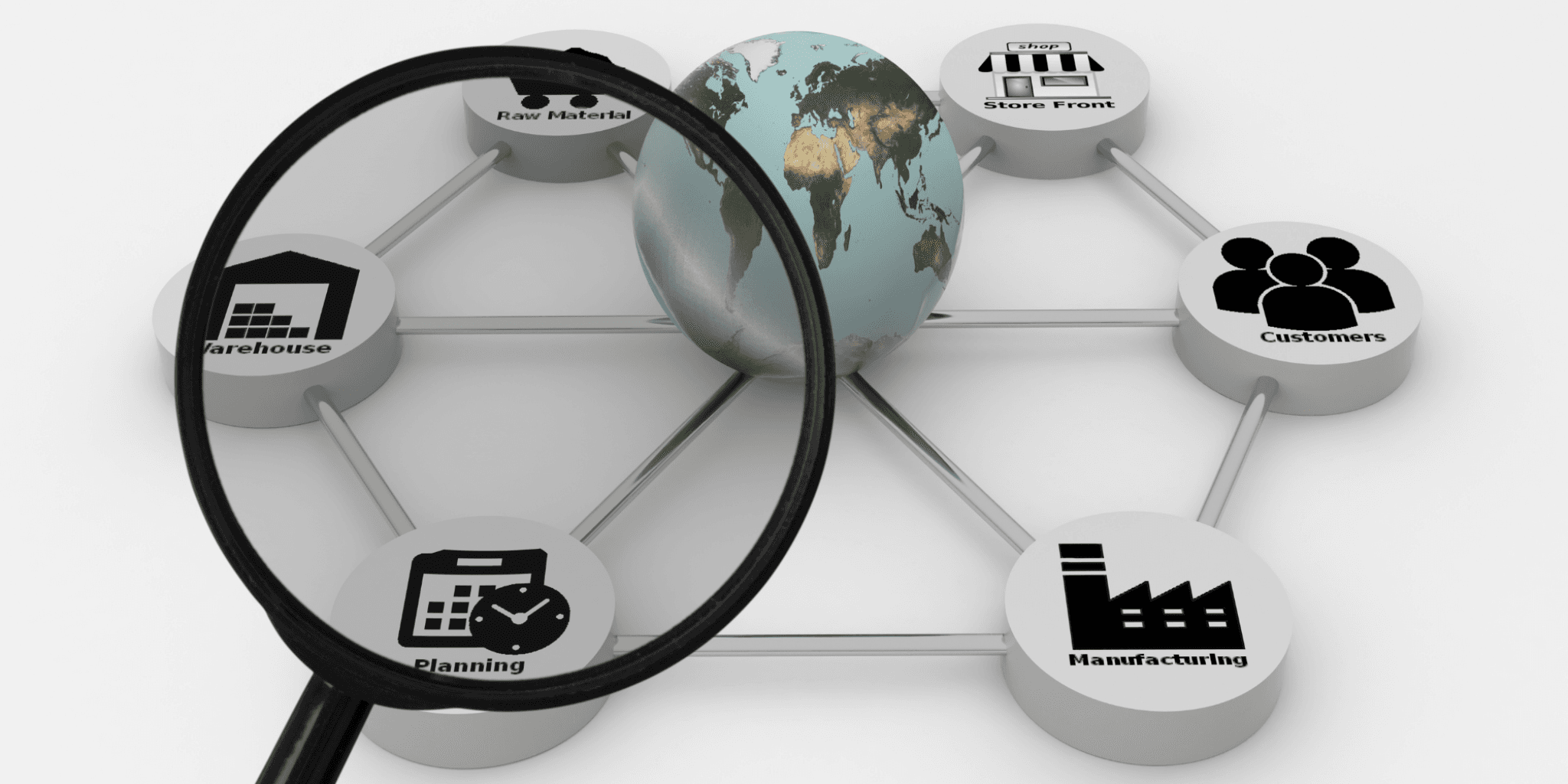
Supply chain transparency means providing visibility into:
- raw materials
- manufacturing processes
- supplier networks
- environmental impact
Why Transparency is Important
Transparency helps companies:
- meet regulatory requirements
- reduce sustainability risks
- improve consumer trust
- detect unethical practices
The Role of Digital Product Passports
Digital Product Passports enable companies to store and share supply chain data digitally.
Consumers can access product information instantly through QR codes or digital interfaces.
How Tracii Supports Transparency
Tracii enables brands to:
- structure supply chain information
- generate transparency pages
- connect data to Digital Product Passports
- communicate sustainability efforts clearly
FAQ
What data should we prioritize for transparency?+
Prioritize identifiers, material and origin information, and supplier-provided evidence. Once those foundations are reliable, add sustainability metrics and end-of-life instructions.
How can we keep transparency accurate as products change?+
Use a structured data model and versioning so updates (materials, suppliers, processes) flow through controlled workflows. This keeps the published record auditable over time.
Do Digital Product Passports replace audits and documentation?+
No. They help publish and distribute structured information. You still need evidence collection and governance, but DPPs make it easier to deliver to customers and regulators consistently.
Why is QR access important for consumer transparency?+
It places the transparency experience at the point of use, letting consumers scan and access the right product-level information on mobile.
How does Tracii reduce manual compliance work?+
Tracii centralizes product data and supports structured publishing via DPP-ready records, so teams spend less time manually compiling updates across systems and suppliers.